Navigating the Future: Insights into the 2025 Advanced Air Mobility Directive
KF
Understanding the Advanced Air Mobility Directive
The future of transportation is rapidly approaching, and the 2025 Advanced Air Mobility Directive is poised to revolutionize how we think about air travel. This directive aims to integrate cutting-edge technology with aviation, creating a seamless and efficient aerial transportation network. As we navigate these changes, it's crucial to understand the implications and opportunities this directive presents.

The Vision for 2025
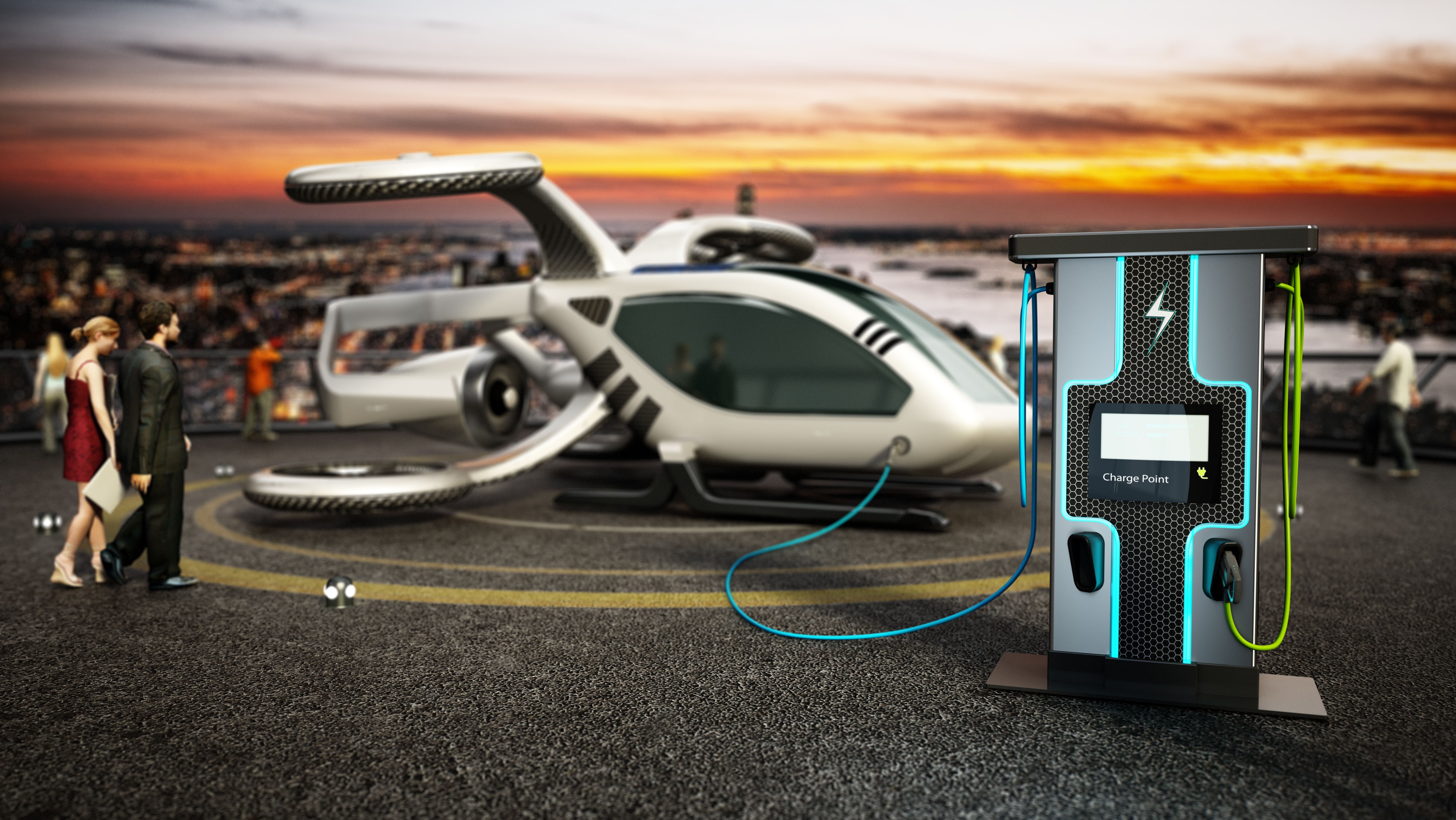
By 2025, the directive envisions a world where urban air mobility (UAM) becomes a reality. This involves the use of electric air taxis, drones, and other advanced aircraft to transport people and goods across urban landscapes. The goal is to alleviate ground traffic congestion, reduce travel time, and minimize environmental impact through sustainable aviation solutions.
Several key objectives are outlined in the directive to achieve this vision:
- Integration of Air and Ground Transport: Establishing hubs that connect air mobility with existing transport infrastructure.
- Regulatory Framework: Developing policies to ensure safety, privacy, and equitable access.
- Technological Advancements: Encouraging innovation in battery technology and autonomous flight systems.
Challenges and Opportunities
While the directive offers exciting prospects, it also presents several challenges. One major hurdle is the development of a robust regulatory framework that can support this new mode of transport. Collaborations between governments, private companies, and industry experts are essential to create standards that ensure safety and efficiency.
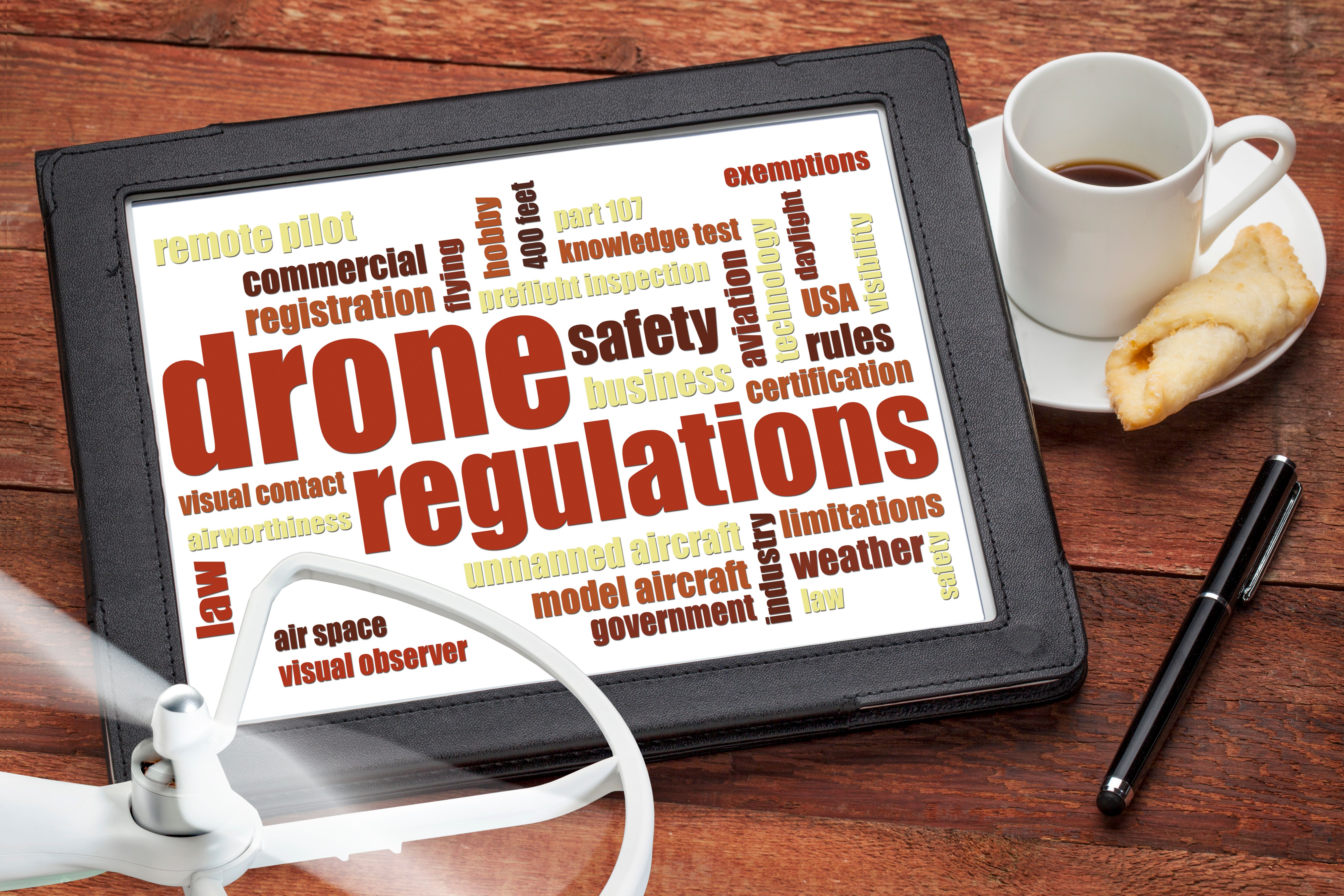
The directive also opens up numerous opportunities for innovation. Companies investing in research and development of electric propulsion systems and autonomous navigation technologies are likely to lead the charge. There's a potential for job creation in sectors related to manufacturing, maintenance, and air traffic management.
Environmental Impact and Sustainability
One of the directive's core tenets is sustainability. The shift towards electric-powered aircraft aims to significantly reduce carbon emissions compared to traditional aviation. By promoting green technologies, the directive supports global efforts to combat climate change.
Moreover, the use of drones for goods delivery can reduce dependency on fossil fuel-powered vehicles. This transition not only benefits the environment but also supports sustainable urban development.
The Road Ahead
As we look to the future, the successful implementation of the 2025 Advanced Air Mobility Directive will require collaboration across multiple sectors. Stakeholders must work together to address the technical, regulatory, and social challenges that lie ahead. Public awareness and acceptance are also crucial components in making this vision a reality.
Ultimately, the directive represents a bold step forward in transforming our transportation landscape. By embracing these advancements, we can look forward to a more connected, efficient, and sustainable future in air travel.